Hormonal Birth Control and Mental Health: What You Need to Know
Why this conversation is finally getting louder
For years, hormonal birth control has been framed as an easy, almost effortless solution. Prevent pregnancy, regulate your cycle, clear your skin, move on with your life. And for many women, it does serve a purpose. But there’s a growing shift happening, especially among women in places like South Jordan, Salt Lake City, Draper, and Lehi, where the focus is expanding beyond just physical symptoms.
Women are starting to ask better questions. Not just “Is this working?” but “How do I actually feel on this?” That shift matters, because mental and emotional changes are often subtle at first. They don’t always show up as something obvious or dramatic. Sometimes it’s just a sense that your baseline has changed, like you’re a little more anxious, a little more irritable, or a little less like yourself.
This isn’t about demonizing birth control. It’s about understanding the full picture so you can make informed decisions about your body.
How hormonal birth control works in the body
Hormonal birth control works primarily by suppressing ovulation and stabilizing hormone levels. Instead of your body producing its natural rhythm of estrogen and progesterone throughout the month, you’re introducing synthetic versions that keep things more consistent.
That consistency is what prevents pregnancy, but it also means your body isn’t going through its normal hormonal fluctuations. While that can reduce certain physical symptoms like painful periods, it also changes how your hormones interact with other systems in the body, including your brain.
Most forms of birth control contain either a combination of synthetic estrogen and progestin or progestin alone. These hormones are powerful. They don’t stay isolated to your reproductive system. They circulate, signal, and influence multiple processes, including mood regulation.
The brain-hormone connection most women aren’t told about
Your hormones and your brain are constantly communicating. Estrogen and progesterone both play direct roles in how neurotransmitters function, especially serotonin, dopamine, and GABA.
Serotonin is often associated with mood stability and overall emotional balance. Dopamine affects motivation, focus, and your sense of reward. GABA helps regulate calmness and reduces overstimulation in the nervous system.
When you replace your natural hormonal patterns with synthetic ones, those interactions can shift. For some women, the change is barely noticeable. For others, it can feel like a gradual disconnect from their normal emotional baseline.
You might not immediately think, “This is my birth control.” Instead, it can show up as everyday struggles that feel unrelated at first.
Anxiety and hormonal birth control
One of the most commonly reported concerns is increased anxiety. This doesn’t always look like full panic or intense symptoms. Often, it’s more subtle and builds over time.
It can feel like:
more overthinking than usual
a harder time relaxing or winding down
increased sensitivity to stress
feeling mentally “on” all the time
Some research suggests that certain progestins may influence the brain’s stress response, making some women more prone to anxious feelings. When that’s layered on top of daily life, it can start to feel like your nervous system is constantly running a little high.
Again, this isn’t everyone’s experience, but it’s common enough that it deserves attention instead of dismissal.
Depression and emotional flatness
Another side of the conversation is depression or what many women describe as emotional numbness. Not necessarily sadness in the traditional sense, but more of a muted experience of emotions overall.
You may feel less excited about things you used to enjoy or notice a drop in motivation. Some women describe it as feeling disconnected or like they’re just going through the motions.
There’s ongoing research into how hormonal birth control may influence serotonin pathways, which could help explain why mood changes happen for some women. It’s not a simple cause-and-effect situation, but the connection is strong enough that many healthcare providers are starting to take it more seriously.
Why some women feel fine and others don’t
This is where things get nuanced. Not every woman will experience mental health changes on birth control, and that doesn’t invalidate the experiences of those who do.
Your response can depend on several factors:
your natural hormone sensitivity
your history with anxiety or depression
the specific type and dosage of birth control
your lifestyle, stress levels, and overall health
Two women can take the exact same pill and have completely different experiences. That’s why blanket statements about birth control being “good” or “bad” aren’t helpful. It’s highly individual.
Signs your birth control might be affecting your mental health
Because these changes can be subtle, it’s easy to overlook them. But there are patterns worth paying attention to.
Some common signs include:
mood changes that started after beginning birth control
increased anxiety without a clear external cause
feeling emotionally flat or disconnected
lower motivation or energy levels
changes in sleep or stress tolerance
The key here is awareness. If something feels different, it’s worth exploring instead of brushing it off.
What you can do if something feels off
If you’re noticing changes, it doesn’t mean you need to panic or immediately stop your birth control. But it does mean it’s worth looking deeper.
Start by tracking how you feel over time. Pay attention to patterns, not just isolated days. Having that information makes it much easier to have a productive conversation with a healthcare provider.
You can also explore options. Different formulations, lower doses, or non-hormonal methods may feel better for your body. There isn’t a one-size-fits-all solution, and you’re allowed to adjust based on how you feel.
A more informed approach to women’s health
Women in communities like South Jordan, Salt Lake City, Draper, and Lehi are starting to move toward a more informed, empowered approach to health. One where you’re not just told what works, but encouraged to understand your own body.
You don’t need to accept feeling “off” as normal. And you don’t need to stay on something that doesn’t feel right for you.
At the same time, this isn’t about fear. Hormonal birth control can be a helpful tool. The goal is simply to recognize that it’s a tool with wide-reaching effects, including mental and emotional ones.
If you’re questioning your relationship with birth control
If you’ve been feeling different and can’t quite explain why, this is your reminder to trust that awareness. You’re not overthinking it, and you’re not alone in it.
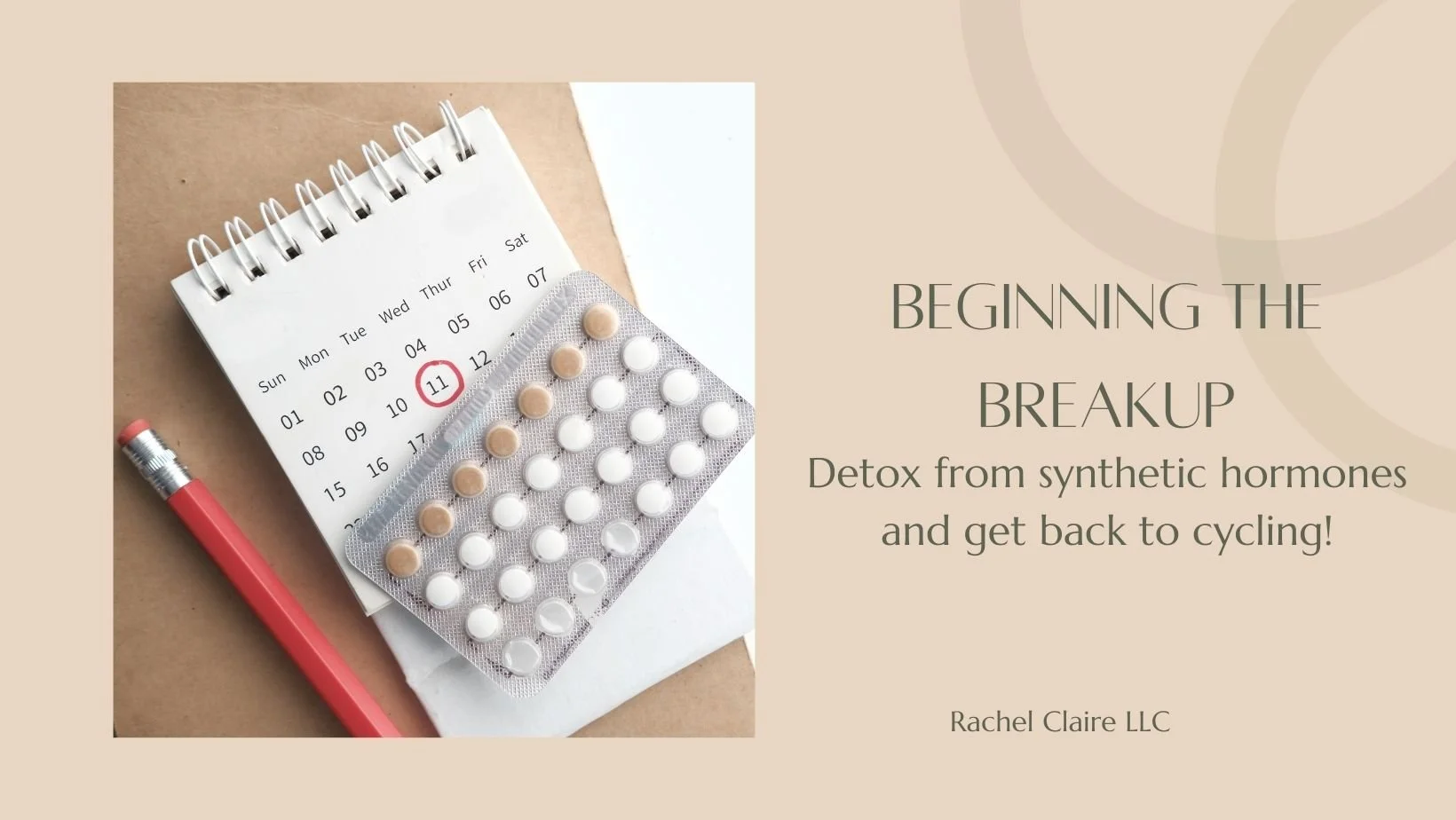
This is exactly why I created Beginning the Breakup. It’s a course designed to help you understand your body, your hormones, and how to transition off birth control in a way that actually supports your mental and physical health.
Whether you decide to stay on birth control, switch methods, or come off entirely, the goal is the same: making that decision from a place of clarity instead of confusion.
Because you deserve to feel like yourself again.