

How to Not Feel Like Sh*t After Thanksgiving Food
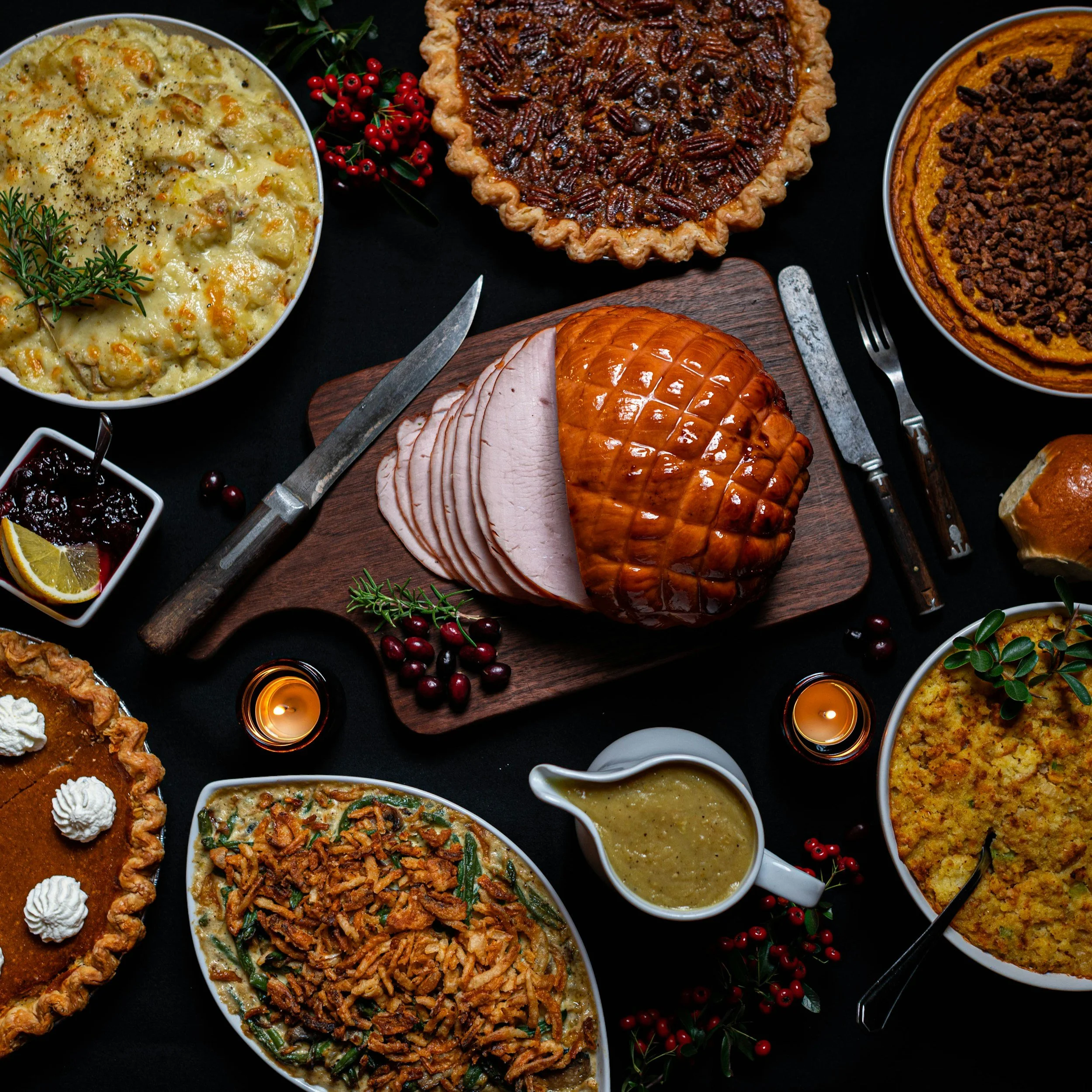
Thanksgiving: the holiday where “just one more roll” somehow turns into five more plates. And then you spend the next 48 hours feeling bloated, tired, foggy, and vaguely regretful.
The good news?
It’s not that your body is broken or that you “ate bad food.” It’s blood sugar dysregulation and you can absolutely prevent that post-meal crash without skipping pie.
Let’s talk about the science (and the solutions).
Why Thanksgiving Wrecks Your Energy
Your body runs on glucose (blood sugar). When you eat a carb-heavy meal (stuffing, mashed potatoes, rolls, pie) it spikes your blood sugar fast. Your pancreas then releases a flood of insulin to push that sugar into your cells for energy.
The problem: when that insulin surge overshoots, your blood sugar plummets.
Cue the post-meal coma, mood swings, irritability, and cravings for more sugar or caffeine. This blood sugar roller coaster is known as reactive hypoglycemia, and it’s one of the main reasons people feel awful after big meals.
Studies consistently show that spikes and crashes in blood glucose are linked to fatigue, inflammation, and increased hunger later in the day (American Journal of Clinical Nutrition, 2017; Cell Metabolism, 2021). Over time, frequent spikes can contribute to insulin resistance the precursor to prediabetes, weight gain, and hormone imbalances.
How to Keep Your Blood Sugar Stable
Here’s the functional medicine breakdown for surviving Thanksgiving dinner without feeling like trash:
1. Don’t Skip Breakfast
Skipping meals before a feast sets you up for disaster. You’ll arrive starving, your blood sugar will tank, and you’ll inhale three times as much.
Instead: eat a protein-rich breakfast (eggs, turkey sausage, veggies). It helps balance blood sugar and hormones so your body’s more resilient later.
2. Eat in the Right Order
This one’s backed by solid science. Eating fiber and protein before carbs reduces post-meal glucose spikes by up to 70% (J Nutr Sci, 2020).
Order matters: veggies → protein → carbs.
So start with salad or green beans, then turkey, then the mashed potatoes and pie.
3. Add Some Vinegar
One tablespoon of apple cider vinegar (in water or as part of a dressing) before a meal can reduce blood sugar spikes by 20–30% (J Diabetes Res, 2015). The acetic acid slows gastric emptying and helps your muscles absorb glucose more efficiently.
4. Take a Walk After Eating
Post-meal movement is a game-changer. Walking for even 10–15 minutes after a big meal significantly reduces post-meal glucose levels (Sports Med, 2016). It helps shuttle glucose into your muscles instead of letting it linger in your bloodstream.
Want more tips? Download Blood Sugar Blueprint (free)
What to Do If You Already Overdid It
Okay, let’s say it’s too late. You went all in on the pie trifecta. Here’s how to bounce back fast:
Hydrate: water + electrolytes within the hour.
Go for a walk: even 10 minutes helps regulate glucose.
Don’t restrict or “detox.” That only stresses your body further. Focus on balanced meals with protein, fiber, and fat the next day.
Support your liver: cruciferous veggies (broccoli, kale, Brussels sprouts), lemon water, and amino acids help your body metabolize excess glucose and byproducts.
The Functional Medicine Takeaway
Feeling awful after Thanksgiving isn’t a moral failing it’s physiology so let’s stop being dramatic about it.
Your blood sugar spiked, crashed, and took your energy with it. The fix isn’t extreme restriction or skipping dessert it’s understanding how to support your metabolism.
Balanced meals, smart meal order, movement, and hydration are simple, science-backed ways to keep your body steady. When your blood sugar is stable, your mood, hormones, and digestion follow.
If you’ve been feeling like every meal leaves you tired, bloated, or craving sugar, your blood sugar regulation may be off year-round—not just on holidays. That’s where testing and functional support come in.
If you’re ready to learn how to balance your blood sugar, improve energy, and stop feeling wrecked after meals…. Download Blood Sugar Blueprint (free)
About Rachel
Rachel Claire is a board-certified functional medicine health coach based in Utah. She specializes in helping women uncover the root causes of hormone imbalances, thyroid conditions, gut issues, and chronic fatigue through advanced lab testing and personalized protocols. Her approach blends evidence-based functional medicine with practical, sustainable lifestyle strategies. Rachel is passionate about helping women finally understand their bodies, regain their energy, and feel at home in their health again.
