What Foods Actually Have Fiber?
Fiber is one of those nutrients everyone says you should eat more of, but very few people explain what that actually looks like.
You may add spinach to your eggs, eat a few baby carrots with lunch, or put lettuce on a sandwich and assume you are getting plenty. Those foods are nutritious, and they do contribute some fiber, but usually not enough to make a major difference on their own.
The foods that really move the needle tend to be beans, lentils, berries, chia seeds, avocado, whole grains, nuts, seeds, and larger servings of certain vegetables.
So, what foods actually have fiber, and how do you know whether you are getting enough?
What Fiber Does in the Body
Fiber is a type of carbohydrate found in plant foods. Unlike other carbohydrates, it is not completely broken down and absorbed in the small intestine.
Instead, it continues through the digestive system, where it can support regular bowel movements, feed beneficial gut bacteria, slow the absorption of carbohydrates, help you feel full, and support healthy cholesterol levels.
Most adults need somewhere around 22 to 34 grams of fiber per day, depending on age, sex, calorie intake, and individual needs. Many people get much less than that, even when their diet appears fairly healthy.
The reason is simple: not every plant food contains the same amount of fiber.
A handful of lettuce may only contribute a small amount. A half cup of beans can provide several grams at once. Portions matter, and some foods are much more fiber-dense than others.
The Foods That Provide the Most Fiber
Beans and lentils
Beans and lentils are some of the most reliable sources of fiber. A half cup of cooked beans or lentils often provides around 6 to 9 grams, depending on the variety.
Good options include:
Black beans
Chickpeas
Kidney beans
Pinto beans
Lentils
Split peas
Edamame
They can be added to chili, soup, taco bowls, salads, pasta sauce, or rice bowls. You do not have to eat a giant bowl of beans for them to count. Even adding a quarter or half cup to a meal can make a noticeable difference.
If you do not eat legumes often, increase them gradually. Adding a large serving all at once may cause gas or bloating.
Chia seeds and ground flaxseed
Chia seeds are one of the most concentrated sources of fiber. Two tablespoons may provide around 8 to 10 grams.
Ground flaxseed contains less, but still adds several grams in a small serving. Both work well in oatmeal, yogurt, smoothies, overnight oats, muffins, and pancakes.
Because these seeds absorb water, adequate hydration matters. Adding a large amount of chia or flax without enough fluid may make constipation or bloating worse.
Berries
Berries are one of the best fruit choices for fiber, especially raspberries and blackberries. A cup may provide around 7 to 8 grams.
Blueberries and strawberries contain less, but they still contribute and are easy to eat regularly.
Fresh and frozen berries both count. Add them to yogurt, cottage cheese, oatmeal, smoothies, or chia pudding.
Avocado
Avocado contains more fiber than many people realize. Half an avocado may provide around 4 or 5 grams, while a whole avocado may provide close to 10.
It is an easy addition to eggs, toast, sandwiches, salads, tacos, and grain bowls. However, the amount matters. A thin spread on toast will not provide the same fiber as eating half of one.
Apples and pears
Whole fruit can be another practical source of fiber. A medium pear may provide around 5 to 6 grams, while a medium apple with the skin may provide around 4.
The skin contains some of that fiber, so leave it on when tolerated.
Whole fruit also provides much more fiber than juice. Juicing removes most of the pulp, which is where much of the fiber is found.
Vegetables Count, but Portions Matter
Vegetables absolutely contain fiber, but people often overestimate how much they are getting from small portions.
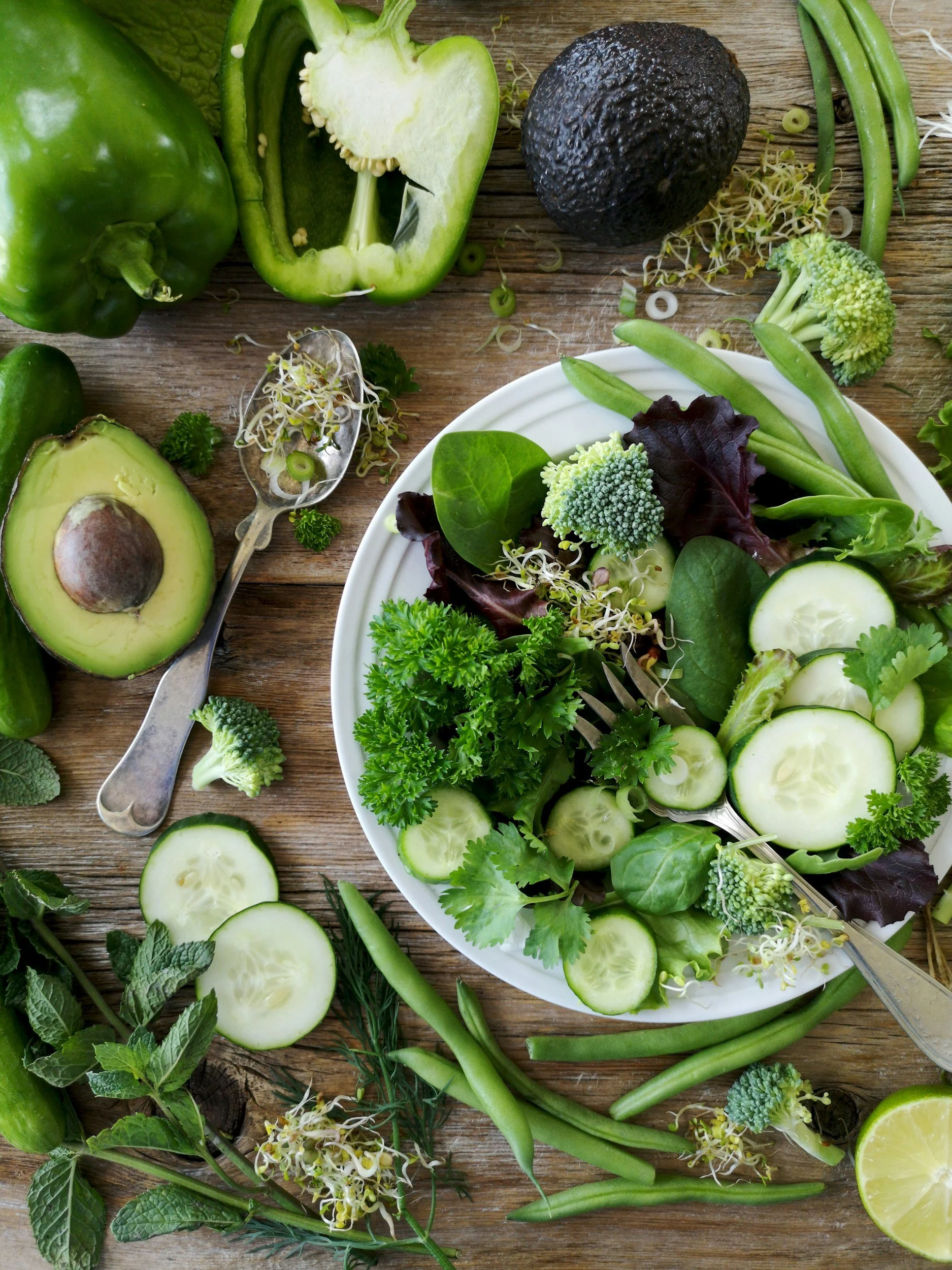
A few cucumber slices, a handful of spinach, or some lettuce on a sandwich may add nutrients, but they will not contribute much fiber by themselves.
Vegetables that tend to provide more include:
Green peas
Artichokes
Brussels sprouts
Broccoli
Carrots
Sweet potatoes
Winter squash
Collard greens
Cauliflower
This does not mean lower-fiber vegetables are pointless. Lettuce, cucumber, zucchini, and spinach can still be part of a healthy diet. They simply may need to be paired with a more concentrated source.
For example, a salad made with lettuce, chicken, cheese, and dressing may not contain much fiber. Add beans, avocado, seeds, roasted vegetables, berries, or quinoa, and it becomes a much more substantial meal.
Potatoes and sweet potatoes also count, especially when you eat the skin. They are often dismissed as “just carbs,” but a medium potato can contribute several grams of fiber.
Whole Grains, Nuts, and Seeds
Whole grains can help increase fiber, but the amount varies widely.
Oats, barley, bulgur, quinoa, farro, brown rice, whole-wheat bread, and whole-grain pasta all contain fiber. However, some provide much more than others.
This is where reading labels becomes useful.
Words like “multigrain,” “wheat,” “seeded,” or “made with whole grains” do not automatically mean a product is high in fiber. One bread may contain only 1 gram per serving, while another provides 5 or 6.
Look at the actual fiber line on the Nutrition Facts label instead of relying on the front of the package.
Nuts and seeds also contribute a few grams per serving. Almonds, pistachios, walnuts, pecans, pumpkin seeds, and sunflower seeds can add fiber, healthy fats, minerals, and texture to meals and snacks.
They are not usually the highest-fiber food on the plate, but they help your total add up across the day.
Foods That Do Not Contain Fiber
Fiber naturally comes from plants.
Meat, chicken, fish, eggs, cheese, milk, and plain yogurt generally contain little to no fiber. These foods can still provide protein, fat, vitamins, and minerals. They simply need to be paired with plant foods if you want the meal to contain fiber.
Someone might eat eggs for breakfast, chicken and cheese for lunch, and beef for dinner, then wonder why their fiber intake is low. The meals may contain plenty of protein, but almost no meaningful fiber unless fruits, vegetables, beans, grains, nuts, or seeds are added.
Many refined foods are also low in fiber, including white bread, white rice, regular crackers, pastries, and many packaged snack foods.
There are also several foods with a healthy reputation that are not automatically high in fiber.
Green juice loses much of the fiber when the pulp is removed. Protein shakes may contain fiber, but many do not unless it has been added. Yogurt contains no natural fiber, so a yogurt bowl only becomes fiber-rich when you add foods like berries, chia seeds, flaxseed, nuts, or higher-fiber granola.
Gluten-free products are not automatically high in fiber either. Many are made with refined starches and may contain very little.
The label matters more than the marketing.
What a Higher-Fiber Day Can Look Like
You do not need to force 10 grams of fiber into every meal. It can build gradually across the day.
A practical example might look like:
Breakfast: Oatmeal with berries and chia seeds
Lunch: Chicken taco bowl with black beans, vegetables, salsa, and avocado
Snack: Apple with peanut butter
Dinner: Salmon, roasted potatoes with the skin, and broccoli
This is often easier than trying to get all your fiber from one enormous salad or a fiber supplement.
A helpful goal is to include one meaningful fiber source at each meal.
That might be beans at lunch, berries at breakfast, a potato with the skin at dinner, or chia seeds added to a snack.
More Fiber Is Not Always Better
Fiber is important, but suddenly eating as much as possible is not always helpful.
Increasing fiber too quickly may cause bloating, gas, cramping, constipation, or diarrhea, especially if your digestion is already sensitive.
That may happen because:
The increase was too fast
The portion was too large
Water intake is too low
Certain types of fiber are not well tolerated
Constipation or slow digestion is already present
An underlying digestive issue needs more attention
The goal is not to force your body to tolerate huge amounts of bran, raw vegetables, or fiber powder.
Increase fiber gradually, drink enough water, and pay attention to how your body responds.
The Bottom Line
Fiber is found in plant foods, but some foods provide much more than others.
The most useful sources include beans, lentils, chia seeds, flaxseed, berries, avocado, apples, pears, higher-fiber vegetables, potatoes with the skin, whole grains, nuts, and seeds.
Vegetables count, but a few bites may not add as much fiber as you think. Animal foods do not contain fiber, and foods marketed as healthy are not automatically good sources.
Instead of asking whether a meal contains any plant food, ask where the meaningful fiber source is coming from.
A few intentional additions throughout the day can make a major difference without turning every meal into a giant salad or forcing yourself to eat foods that leave you uncomfortable.
Ready to figure out what your digestion actually needs? Book a free discovery call to learn more about personalized gut and hormone support.