


Functional Medicine Articles & Blogs
Is Your Period Pain Normal? What Women in Utah Should Really Know
Let’s just say this out loud: if your period knocks you out every month, that’s not something you should automatically accept as “normal.” If you’re canceling plans in Salt Lake City, skipping workouts in Draper, or missing powder days in Park City because your cramps feel like contractions, we need to have a different conversation.

You Don’t Need Another Supplement. You Probably Need Sleep.
Tired but wired? Discover how a holistic health coach in Utah uses functional lab testing, the DUTCH test, and GI-MAP test to uncover the root cause of poor sleep and hormone imbalance.

Hormone Balance and Training for Women in Utah
If you’re a woman pushing through workouts designed for male physiology… high intensity, minimal rest, constant calorie burn… and feeling more exhausted than empowered, there’s a reason.
It’s not a motivation problem.
It’s not that you’re “not disciplined enough.”
Your body simply isn’t built to respond the same way a testosterone-dominant system does.
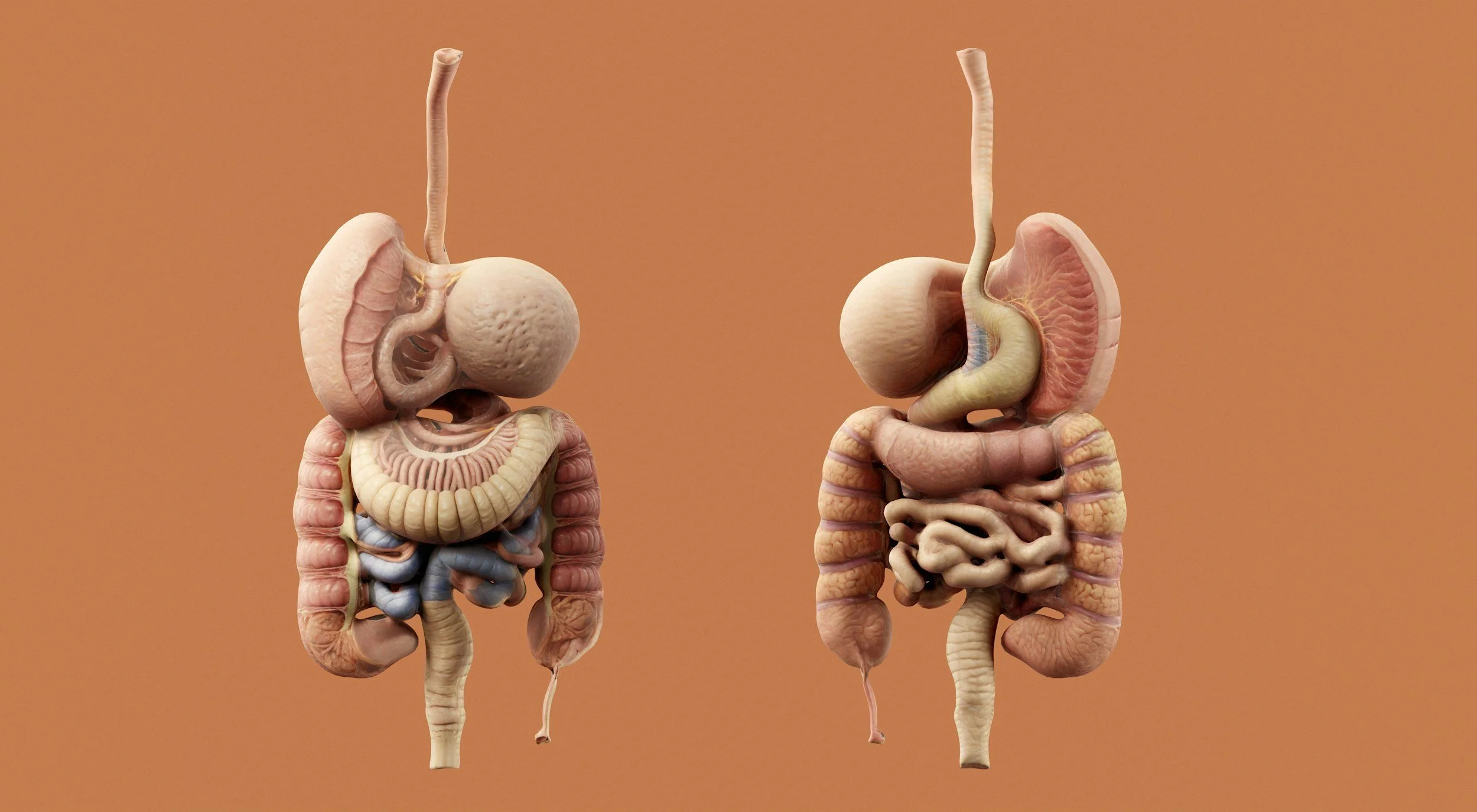
Why Your Gut Might Be Causing PMS, Bloating, and Low Energy
Bloating, PMS, fatigue — most women think these are separate problems. They’re not. They’re usually different signals from the same place: your gut.
The Future of Wellness Is Personalized… Here’s How to Get Ahead of It
We’re watching a quiet shift happen in wellness right now, and honestly? It’s about time. The era of “this works for everyone” is fading, and people are waking up to the fact that their body is not a generic template. What works for your coworker, your sister, or that influencer with perfect lighting might be completely wrong for your hormones, metabolism, sleep patterns, or stress load.

How to Age Well Naturally: Inflammation, Longevity & Immune Balance Explained
Aging well shouldn’t feel like a full-time job.
Or require 47 supplements before coffee.

At-Home testing: Smart move or Money pit?
Thinking about ordering an at-home hormone or thyroid test? Learn when home testing helps and when it just creates more confusion, from a functional, whole-body perspective.
5 Sneaky Ways Your Gut Messes With Your Hormones
If you’re dealing with PMS that wrecks your week, unpredictable cycles, stubborn weight, acne that laughs at your skincare routine, or anxiety that spikes out of nowhere, there’s a good chance your gut is quietly running the show.
Gut Health Across Your Cycle: What Changes (and What to Do About It)
Learn how gut health changes across your menstrual cycle and what actually helps. Hormone-aware digestion support for women in Salt Lake City, Park City, Utah County, Boise, and St. George.

Wearables Won’t Heal You… But They Can Show You Where to Start
Your tech shows patterns — not solutions. Learn how to use wearables to support blood sugar balance, metabolic reset, and deeper sleep with clean eating and functional nutrition.
The Hidden Language of Your Hormones
Decode your cycle, balance hormones naturally, and understand your symptoms with a women’s hormone coach serving Utah and Idaho.
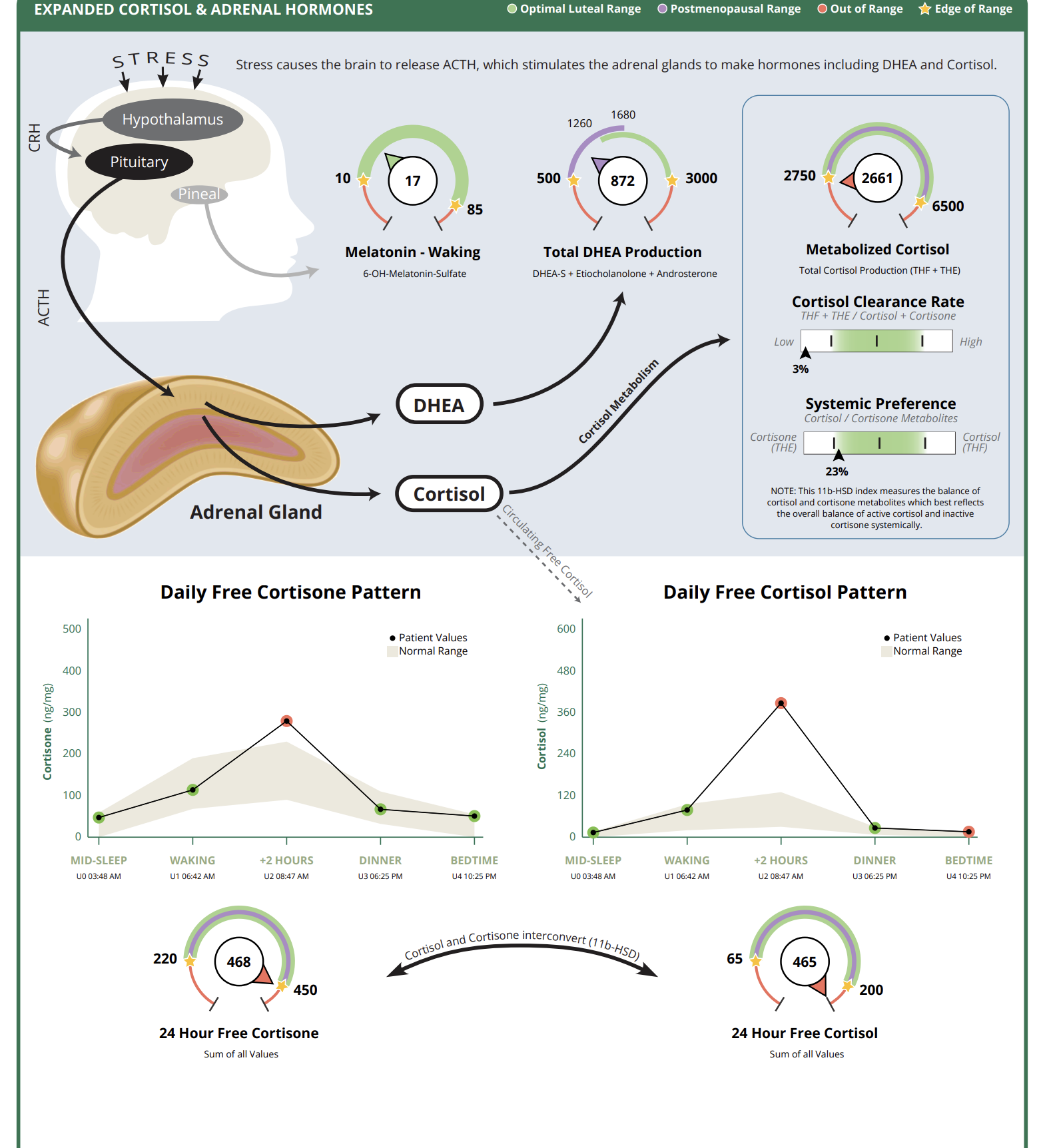
Are At-Home Hormone and Gut Tests Worth It?
A clear, honest breakdown of at-home hormone and gut testing for women. Understand DUTCH and GI-MAP results and when testing actually helps. Root cause healing, not guesswork.

Real Strategies to Age Well (Without 47 Supplements a Day)
Struggling with low energy, stubborn metabolism, or “I swear I aged overnight” vibes?
Biohacking Without the BS: What’s Worth It and What’s Just Hype
Feeling drained even with all the wellness “upgrades”? Learn the simple, foundational biohacks that actually support hormones, digestion, and energy especially during the holiday season.
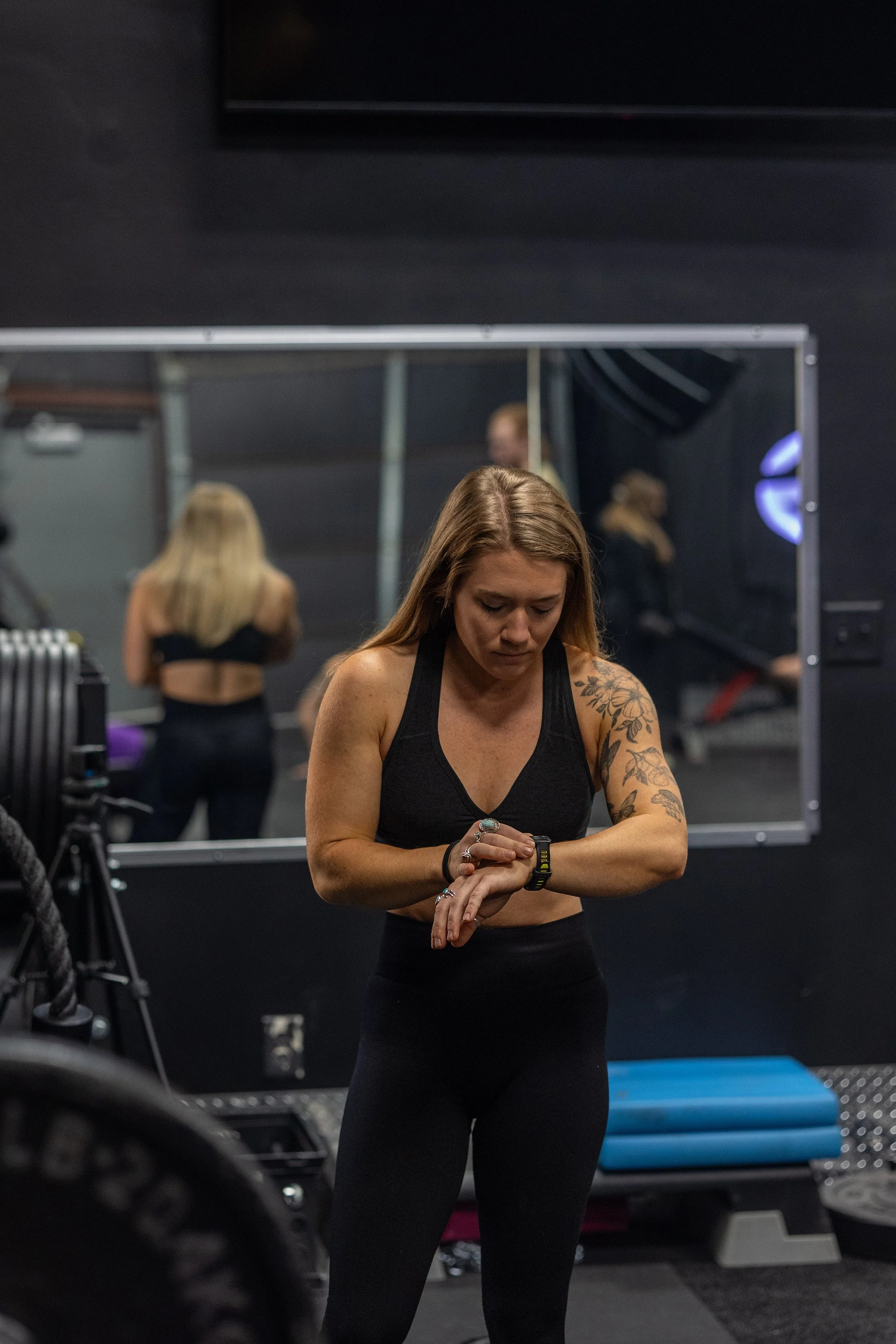
Why You May Not Need HRT (Yet)
Thinking about hormone replacement therapy? Learn when it’s truly helpful, when it’s not needed, and how to balance hormones naturally before menopause.
What the DUTCH Test Can Tell You That Bloodwork Can’t
Learn why the DUTCH test gives a deeper look at your hormone balance, stress response, and metabolism than standard bloodwork. Understand your cycle, not just your symptoms.

How to Not Feel Like Sh*t After Thanksgiving Food
Feeling bloated, tired, or foggy after Thanksgiving? Learn the science-backed ways to balance blood sugar, prevent energy crashes, and enjoy your holiday meal without regret. Functional medicine tips from Rachel Claire Functional Health—serving clients across Utah, including Salt Lake City, Holladay, and Park City.

Probiotics Aren’t Magic
Probiotics are helpful but they’re not magic.
Discover what really moves the needle for gut and hormone health, why the right testing matters, and how to support your microbiome the smart way (without wasting money on random blends).

Your Gut Isn’t Just for Digestion… It’s Running the Show on Your Hormones
Learn how gut imbalances like SIBO, candida, or H. pylori can trigger hormone chaos, from estrogen dominance to adrenal burnout, and what to do to fix it naturally.

Probiotics Aren’t Always the Answer
Probiotics aren’t one-size-fits-all—and for some in Salt Lake City and Utah County, they can make symptoms worse. Learn when probiotics help, when they don’t, and how functional gut testing reveals what your body truly needs.
Areas of Practice

-
Hair loss, thinning hair, cold hands and feet, unexplained weight gain, chronic fatigue, dry skin, brittle nails, brain fog, poor concentration, nervousness, anxiety, heart palpitations, and irregular heart rhythms can all be signs of an underlying thyroid imbalance. These symptoms are often dismissed as stress, aging, hormonal changes, or burnout, but they may point to deeper issues with thyroid function, metabolism, and hormone regulation.
The thyroid plays a critical role in regulating energy production, body temperature, metabolism, cardiovascular function, and nervous system balance. When thyroid hormones are too low, too high, or not properly converted at the cellular level, the entire body can feel the effects. Many individuals with hypothyroidism, subclinical hypothyroidism, Hashimoto’s thyroiditis, or thyroid hormone resistance experience these symptoms long before lab values fall outside conventional ranges.
Even if you are currently taking thyroid medication such as levothyroxine, Synthroid, or natural desiccated thyroid, you may still experience persistent symptoms. Medication can normalize lab markers while underlying issues like poor T4 to T3 conversion, chronic inflammation, nutrient deficiencies, gut dysfunction, or autoimmune activity remain unaddressed.
Most conventional medical providers test only TSH (thyroid stimulating hormone), which does not provide a complete picture of thyroid health. A comprehensive thyroid panel should include Free T3, Free T4, Reverse T3, thyroid antibodies (TPO and TgAb), and markers of inflammation to better assess thyroid function, hormone conversion, and autoimmune activity.
Taking a functional and integrative approach to thyroid health means looking beyond a single lab value. It involves supporting optimal thyroid function through nutrition, gut health, stress regulation, micronutrient status (including iodine, selenium, zinc, and iron), blood sugar balance, and addressing root causes such as autoimmunity and chronic stress.
If you are experiencing ongoing thyroid symptoms despite “normal” labs, your body may be asking for a deeper, more comprehensive approach to healing and hormone balance.
-
Bloating, excessive gas, food sensitivities, irritable bowel syndrome (IBS), acid reflux, heartburn, painful digestion, abdominal discomfort, constipation, loose stools, diarrhea, and unpredictable bowel habits are some of the most common gastrointestinal symptoms people experience. These digestive issues are often normalized or brushed off as “just how my stomach is,” but they can signal deeper imbalances within the gut microbiome and digestive system.
The gastrointestinal (GI) tract plays a central role in nutrient absorption, immune function, inflammation regulation, hormone metabolism, and overall health. When digestion is compromised, it can lead to symptoms such as post-meal bloating, early fullness, cramping, undigested food in stool, chronic constipation, urgency, or alternating constipation and diarrhea. Conditions like small intestinal bacterial overgrowth (SIBO), dysbiosis, leaky gut (increased intestinal permeability), low stomach acid, enzyme insufficiency, and gut-brain axis dysfunction can all contribute to these symptoms.
Food sensitivities and intolerances to gluten, dairy, FODMAPs, histamine-rich foods, or highly processed ingredients may develop when the gut lining is inflamed or when the microbiome is out of balance. Chronic stress, antibiotic use, infections, environmental toxins, and poor dietary patterns can disrupt the balance of beneficial bacteria, allowing opportunistic bacteria, parasites, fungi (such as Candida), or viruses to take hold in the digestive tract.
Comprehensive stool testing and functional gut assessments can help identify underlying contributors, including bacterial overgrowth, parasitic infections, fungal overgrowth, inflammatory markers, digestive enzyme output, bile insufficiency, and microbiome diversity. Understanding these root causes allows for a targeted, personalized approach to restoring gut health rather than relying on symptom-suppressing strategies alone.
By addressing microbial imbalances, supporting stomach acid and enzyme production, repairing the gut lining, and restoring healthy bacterial diversity, it is possible to reduce digestive discomfort and move toward symptom-free eating. The goal is not to eliminate foods indefinitely, but to rebuild a resilient digestive system that can tolerate a wide variety of nutrient-dense foods without pain, bloating, or fear.
If you’ve been told your symptoms are “normal” or that IBS is something you simply have to live with, it may be time to take a deeper, root-cause approach to healing your gut and reclaiming comfortable digestion.
-
Excess facial hair (hirsutism), persistent acne, hair thinning or hair loss, low libido, vaginal dryness, painful intercourse, intense menstrual cramps, irregular periods, heavy bleeding, anxiety, mood swings, breast tenderness, chronic fatigue, unexplained weight gain, and difficulty losing weight can all be signs of an underlying hormonal imbalance or menstrual cycle dysfunction. These symptoms are often dismissed as normal PMS, stress, or aging, but they may indicate disruptions in estrogen, progesterone, testosterone, cortisol, insulin, or thyroid hormones.
Hormonal balance is essential for reproductive health, metabolic function, mood regulation, skin health, and energy levels. When hormones fall out of balance, it can affect ovulation, menstrual cycle regularity, and the delicate communication between the brain, ovaries, adrenal glands, thyroid, and metabolic systems. Conditions such as polycystic ovary syndrome (PCOS), estrogen dominance, low progesterone, hypothalamic dysfunction, adrenal dysregulation, thyroid disorders, and insulin resistance can contribute to these symptoms.
For example, excess androgens (male hormones) may lead to acne, facial hair growth, and scalp hair thinning, while low progesterone can contribute to anxiety, sleep disturbances, and severe PMS. Estrogen imbalances may cause breast tenderness, heavy periods, and mood fluctuations, while cortisol dysregulation from chronic stress can worsen fatigue, weight gain, and cycle irregularities. Insulin resistance can further disrupt ovarian function and hormone production, creating a cascade of metabolic and reproductive symptoms.
Comprehensive hormone testing, including cycle mapping, thyroid panels, blood sugar markers, and functional assessments, can help identify root causes rather than simply managing symptoms with temporary solutions. Addressing nutrition, stress regulation, sleep quality, gut health, micronutrient status, and blood sugar balance plays a critical role in restoring hormonal harmony and supporting a healthy menstrual cycle.
If you are experiencing ongoing hormonal symptoms, painful periods, or cycle irregularities despite being told everything is “normal,” your body may be signaling the need for a deeper, root-cause approach to hormone health and menstrual wellness. True balance goes beyond symptom suppression and focuses on restoring resilience, rhythm, and long-term well-being.
-
Are you looking to prevent type 2 diabetes, improve insulin sensitivity, stabilize blood sugar levels, or increase your daily energy? Blood sugar imbalances and insulin resistance can show up in subtle but disruptive ways, including energy crashes, mood swings, brain fog, intense sugar cravings, increased hunger, weight gain (especially around the abdomen), poor sleep, and difficulty maintaining focus throughout the day.
Insulin resistance occurs when the body’s cells become less responsive to insulin, the hormone responsible for moving glucose from the bloodstream into cells for energy. Over time, this can lead to chronically elevated blood sugar, increased inflammation, metabolic dysfunction, and a higher risk of prediabetes, type 2 diabetes, cardiovascular disease, and hormonal imbalances. Many people experience early warning signs long before lab values fall outside conventional ranges.
Energy fluctuations, irritability between meals, cravings for sweets or refined carbohydrates, and post-meal fatigue are common indicators that blood sugar regulation may be impaired. These symptoms can also affect cortisol rhythms, sleep quality, appetite hormones (ghrelin and leptin), and overall metabolic resilience.
A personalized, root-cause approach to metabolic health focuses on stabilizing blood sugar through targeted nutrition, balanced macronutrient intake, fiber-rich whole foods, protein timing, stress management, sleep optimization, and sustainable lifestyle modifications. Rather than relying on restrictive dieting or quick fixes, this approach supports long-term metabolic flexibility and consistent energy throughout the day.
With tailored guidance, ongoing support, and individualized strategies, it is possible to reduce sugar cravings, improve mood stability, enhance energy levels, and lower the risk of developing insulin resistance or type 2 diabetes. The goal is not just symptom management, but restoring metabolic balance so you can feel steady, focused, and energized without relying on caffeine or quick sugar fixes.
-
Functional strength training focuses on building strength, mobility, balance, coordination, and core stability in ways that translate directly to everyday life. Rather than isolating single muscles on machines, functional training uses compound movements and multi-joint exercises to improve how your body moves, performs, and recovers in real-world situations.
Whether you’re lifting groceries, hiking steep trails, climbing stairs, playing with your kids, rock climbing, skiing, or simply getting up from the floor, functional strength supports the movement patterns your body relies on daily. This approach enhances muscular strength, joint stability, posture, injury prevention, and long-term mobility.
Functional training is appropriate for:
Beginners starting a strength program
Active individuals and athletes
Women seeking bone density and hormonal support
Adults managing back pain or joint instability
Individuals improving balance and fall prevention
Anyone wanting strength that translates to daily life
About Your Coach

Hey! I’m Rachel
I’m a board-certified (NBHWC) functional health + fitness coach based in Utah, and I help women get to the root of their health issues so they can stop feeling exhausted, bloated, and frustrated and start feeling like themselves again.
Need-to-know-info
I work virtually anyway in the US (using Labcorp for testing)
Primarily working with women 20-50
Gut issues, hormone imbalances, thyroid problems, autoimmune conditions, or unexplained fatigue.
Functional labs, treatment protocols, 1:1 coaching, and supplements (not MLM).
I started this work after my own health struggles with hormones and digestion left me searching for answers beyond “everything looks normal.” Functional medicine changed my life and now I get to help other women find that same relief and clarity.

Subscribe to my newsletter!
I promise not to spam your inbox